Brain Stroke: Every Minute Matters - Recognizing the Signs Can Save a Life

A brain stroke is one of the leading causes of death and long-term disability worldwide. In India, the burden of stroke has been steadily increasing, with experts reporting a worrying rise in cases among younger adults as well. While many people associate stroke with old age, it can occur at any age and often strikes without warning.
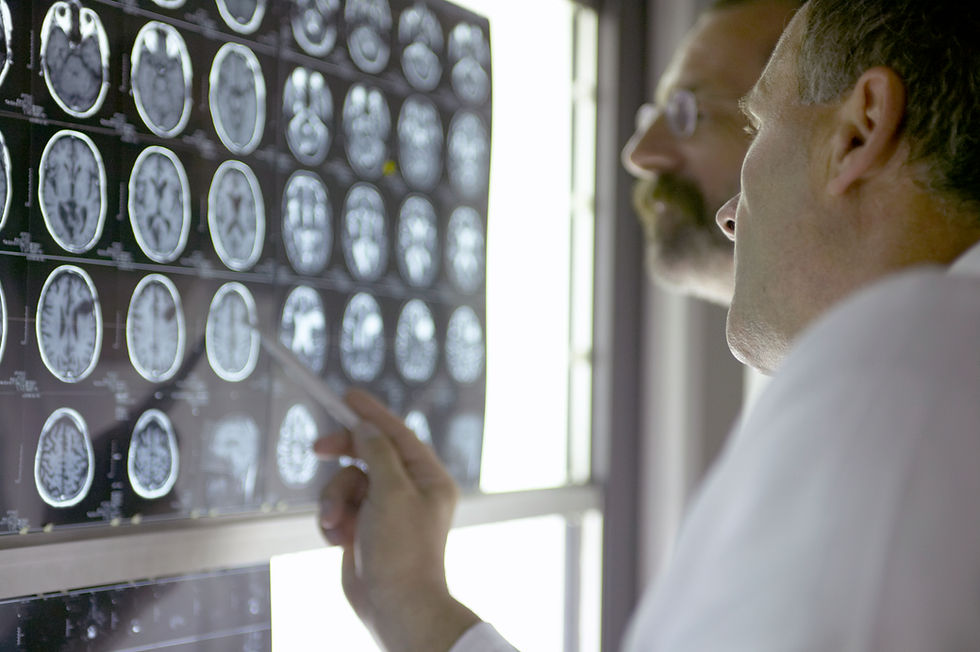
The good news is that a significant number of strokes can be prevented, and early treatment can dramatically improve recovery. Recognising the warning signs and seeking immediate medical attention can mean the difference between recovery and permanent disability.
What Is a Brain Stroke?
A brain stroke occurs when the blood supply to a part of the brain is interrupted or reduced, depriving brain cells of oxygen and nutrients. Within minutes, brain cells begin to die.
There are two main types of stroke:
Ischemic Stroke
This is the most common type, accounting for nearly 85% of all strokes. It occurs when a blood clot blocks an artery supplying blood to the brain.
Hemorrhagic Stroke
This occurs when a blood vessel in the brain ruptures, causing bleeding into or around the brain. It is often associated with uncontrolled high blood pressure or weakened blood vessels.
Both types require immediate emergency treatment.
Why Is Stroke Becoming More Common in Younger Adults?
Traditionally, stroke was considered a disease affecting older people. However, doctors across India are increasingly seeing strokes in individuals in their 30s and 40s.
Several lifestyle-related factors contribute to this trend, including:
High blood pressure
Diabetes
High cholesterol
Smoking and tobacco use
Obesity
Physical inactivity
Excessive alcohol consumption
Chronic stress
Poor sleep
Unhealthy diet
Some young adults may also experience stroke due to inherited clotting disorders, heart conditions, or autoimmune diseases.
Recognise the Warning Signs: Remember BE FAST
One of the easiest ways to identify a stroke is by remembering the acronym BE FAST.
B – Balance
Sudden loss of balance, dizziness, or difficulty walking.
E – Eyes
Sudden blurred vision or loss of vision in one or both eyes.
F – Face
One side of the face droops or appears uneven when smiling.
A – Arms
Weakness or numbness in one arm. The person may be unable to raise both arms evenly.
S – Speech
Slurred speech, confusion, or difficulty speaking or understanding others.
T – Time
Time is critical. If any of these symptoms appear, seek emergency medical care immediately.
Do not wait for symptoms to improve on their own.
Why Every Minute Matters
Stroke is often described as a race against time because millions of brain cells are lost every minute that treatment is delayed.
For many patients with ischemic stroke, clot-dissolving medication or mechanical clot removal can restore blood flow, but these treatments are effective only within specific time windows after symptom onset.
Delaying medical attention can reduce treatment options and increase the risk of permanent disability or death.
Common Risk Factors
Several factors increase the likelihood of stroke.
Some cannot be changed:
Increasing age
Family history
Previous stroke or transient ischemic attack (TIA)
However, many risk factors are preventable:
High blood pressure
Diabetes
High cholesterol
Smoking
Obesity
Lack of exercise
Heart disease
Poor dietary habits
Controlling these conditions significantly lowers the risk of stroke.
Can Stroke Be Prevented?
Yes. According to health experts, many strokes can be prevented through healthy lifestyle choices.
Simple preventive measures include:
Regular blood pressure checks
Managing diabetes and cholesterol
Exercising for at least 30 minutes most days
Eating a balanced diet rich in fruits, vegetables, and whole grains
Avoiding tobacco products
Limiting alcohol intake
Maintaining a healthy weight
Getting adequate sleep
Managing stress effectively
Regular health check-ups become increasingly important after the age of 40, especially for individuals with existing medical conditions.
What Should You Do If Someone Is Having a Stroke?
If you suspect someone is having a stroke:
Call emergency medical services immediately.
Note the exact time when symptoms began.
Do not give food, water, or medication unless instructed by a healthcare professional.
Keep the person comfortable while waiting for medical help.
Stay calm and monitor their condition.
Reaching a hospital equipped to manage stroke emergencies as quickly as possible can significantly improve outcomes.
Stroke and Medical Emergencies
Because stroke symptoms can sometimes resemble other medical conditions, some people delay seeking treatment. Others hope the symptoms will disappear on their own.
This delay can have devastating consequences.
Hospitals with dedicated stroke teams and rapid imaging facilities can diagnose the type of stroke quickly and begin appropriate treatment without unnecessary delay. Public awareness of stroke symptoms is therefore one of the most effective ways to reduce disability and save lives.
Conclusion
Brain stroke is a medical emergency that demands immediate attention. It can affect anyone, regardless of age, and every minute counts once symptoms begin.
By recognising the warning signs, managing risk factors, and seeking prompt medical care, individuals can significantly improve their chances of recovery and reduce the long-term impact of stroke.
Awareness is the first step toward prevention. Learning the BE FAST signs today could one day help save your own life, or the life of someone you love.

The Author :
Dr. Sunil Khattri
+91 9811618704
Dr Sunil Khattri MBBS, MS(General Surgery), LLB, is a Medical doctor and is a practicing Advocate in the Supreme Court of India and National Consumer Disputes Redressal Commission, New Delhi.
Comments